Slime and Sensitive Skin: A Practical Guide for UK Parents
If your child has sensitive skin, it's natural to wonder whether slime is a good idea. Here's a calm, practical look at what can happen, what UK toy rules cover in general, and what to do if skin reacts.
The quick answer: yes, some people can react to slime. As with soap, cosmetics or craft materials, anything that sits on the skin can irritate it or cause an allergic reaction. Wash hands before and after play, keep first sessions short, and stop straight away if skin turns itchy or sore. A pharmacist or GP can advise.
This guide is general information, not medical advice. Only a health professional can tell you what's causing a skin reaction.
Can you be allergic to slime?
It's possible. The NHS explains that contact dermatitis can be caused by two kinds of substance:
- Irritants: substances that directly damage the outer layer of the skin
- Allergens: substances that make the immune system respond in a way that affects the skin
The NHS lists common triggers including soaps, detergents, cosmetics and nickel. Slime is a mix of ingredients, and most slimes, ours included, are scented and coloured. If your child's skin reacts to scented bubble bath or certain craft materials, it makes sense to take extra care with slime too. Plenty of children play with slime without a problem, but no one can promise that a particular slime will suit every skin.
What skin irritation can look like
According to the NHS, contact dermatitis makes skin itchy, blistered, dry and cracked. On lighter skin it tends to look red. On darker skin it can look dark brown, purple or grey. Symptoms usually appear within a few hours or days of contact, and hands and face are the most commonly affected areas.
Slime is mostly handled with the hands, so that's where to look after play.
What UK toy rules cover (in general)
In Great Britain, toys are covered by the Toys (Safety) Regulations 2011. The Office for Product Safety and Standards publishes guidance on the regulations for businesses. In broad terms, the guidance says:
- The rules apply to products designed or intended for play by children under 14.
- Manufacturers must carry out a safety assessment of a toy and keep technical documentation.
- The safety requirements cover hazards including chemical properties and hygiene, and there is a list of allergenic fragrances that toys must not contain.
- Warnings about hazards must be in English and start with the word "Warning" or "Warnings".
Trading Standards' Business Companion guide to toys adds that toys should be marked with the maker's name and address.
What this means for you as a parent: the rules set a baseline for toys sold in Great Britain, but they can't guarantee that a product will suit your child's skin. Buy from a maker you can contact, read the product information and warnings, and ask questions if anything isn't clear.
Practical steps before, during and after play
Before play
- Wash and dry hands. Our slime care guide recommends clean hands every time.
- Check for cuts, grazes or sore patches. Skip slime until broken or flared-up skin has healed.
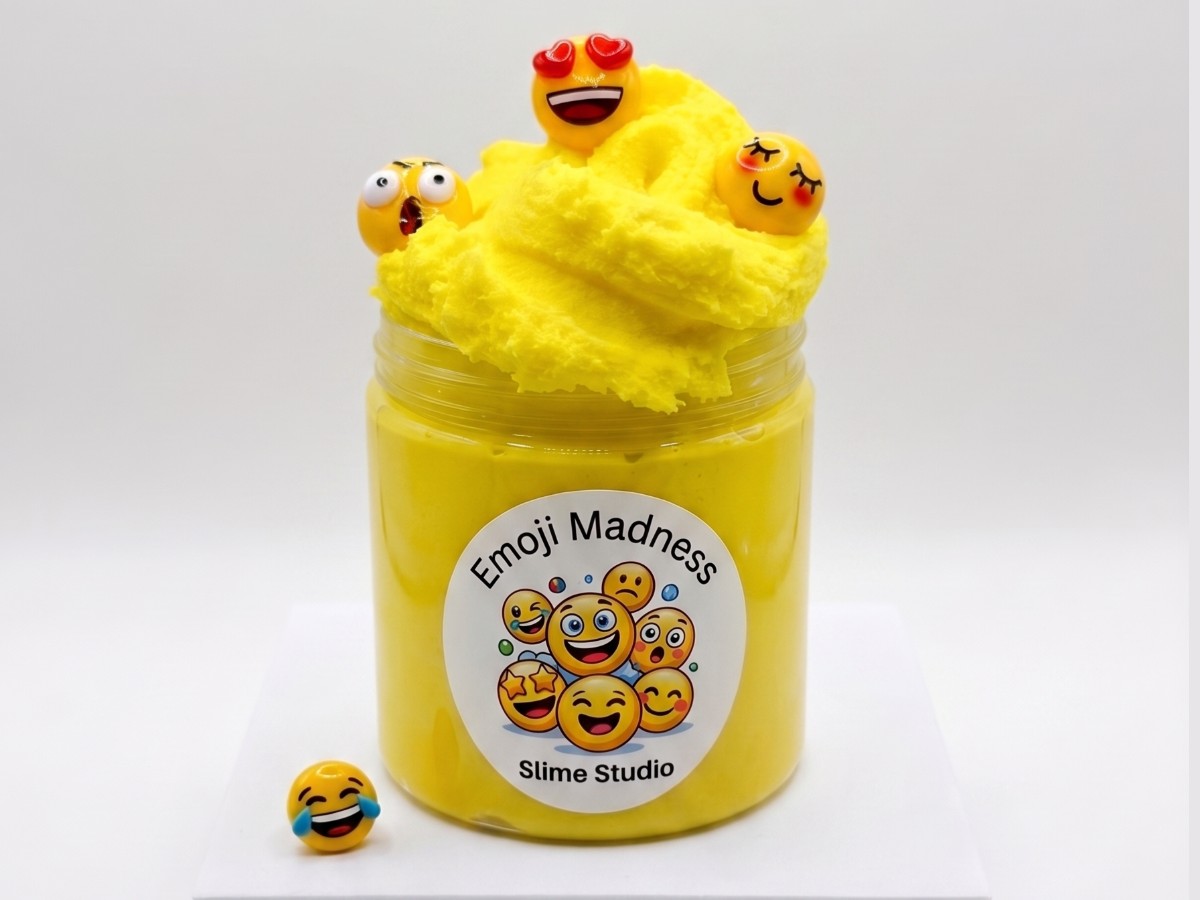
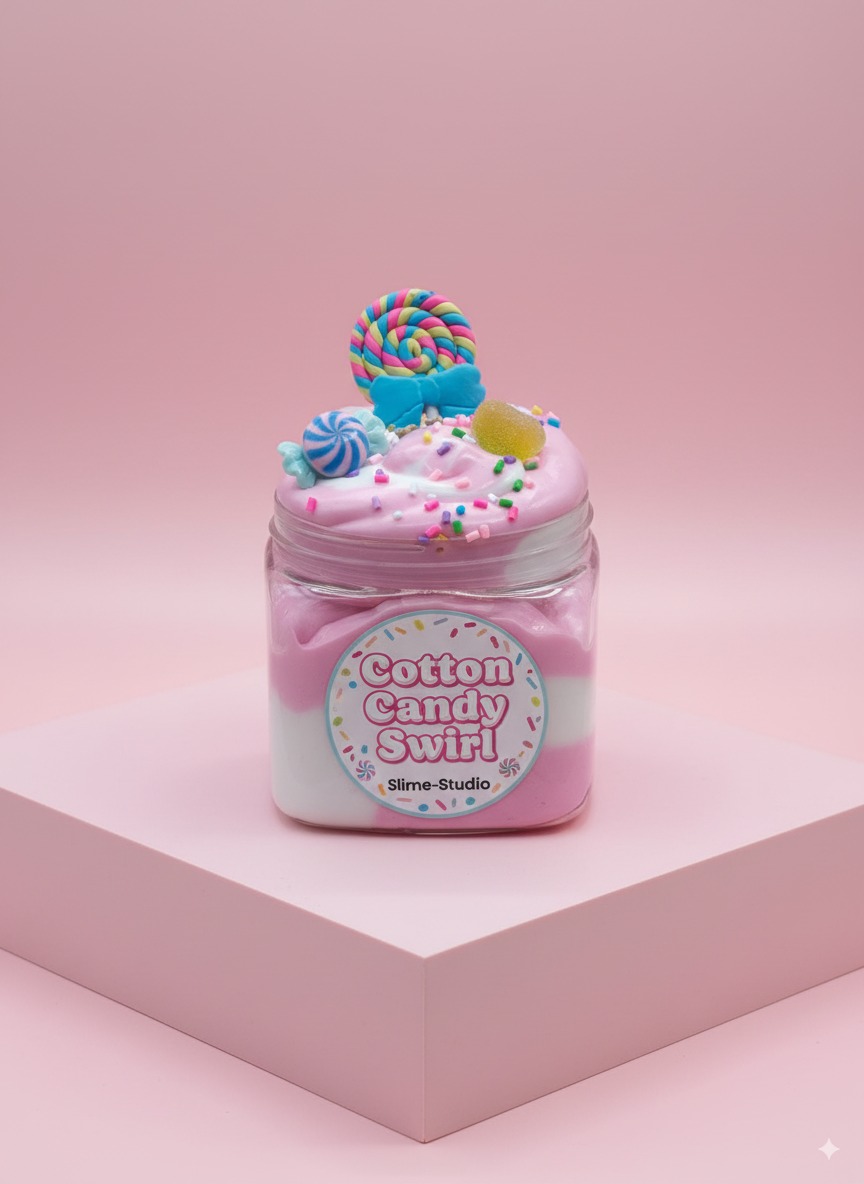
- Read the product details. Every slime page lists the scent. Our butter and cloud slimes are all scented, for example Cotton Candy Swirl smells of candyfloss and Emoji Madness of taro. If scented products are a problem for your child, message us before ordering and we'll do our best to help.
- Plan a short first session. Five or ten minutes is plenty to start with.
During play
- Keep slime away from the face and eyes.
- Slime is for squishing, not eating.
- Stay nearby. We recommend adult supervision for children under 8.
- Watch for itching or rubbing. If your child starts scratching their hands, stop and wash them.
After play
- Wash hands with soap and water and pat them dry.
- Seal the pot so slime stays clean for next time.
- Check hands later that day and the next. The NHS notes that reactions can take a few hours or days to appear.
If a reaction happens
- Stop playing and wash the skin gently with water and a mild soap. Pat dry.
- Put the slime away. Don't use it again until you've had advice.
- Speak to a pharmacist if the skin is bothering your child. The NHS suggests a pharmacist if contact dermatitis is troubling you.
- See a GP if symptoms are persistent, keep coming back or are severe.
- Use NHS 111 if you think your child needs medical help right now.
- Call 999 or go to A&E in an emergency.
If slime gets in eyes, rinse gently with clean water. Contact NHS 111 if you're worried or discomfort doesn't settle. If slime is swallowed, contact NHS 111 or your GP for advice.
We'd also like to hear about it. Please contact us with your order details so we can help.
Choosing slime when skin is sensitive
- Choose a maker you can contact with questions before you buy.
- Start with one pot rather than several at once, so you know what your child has handled.
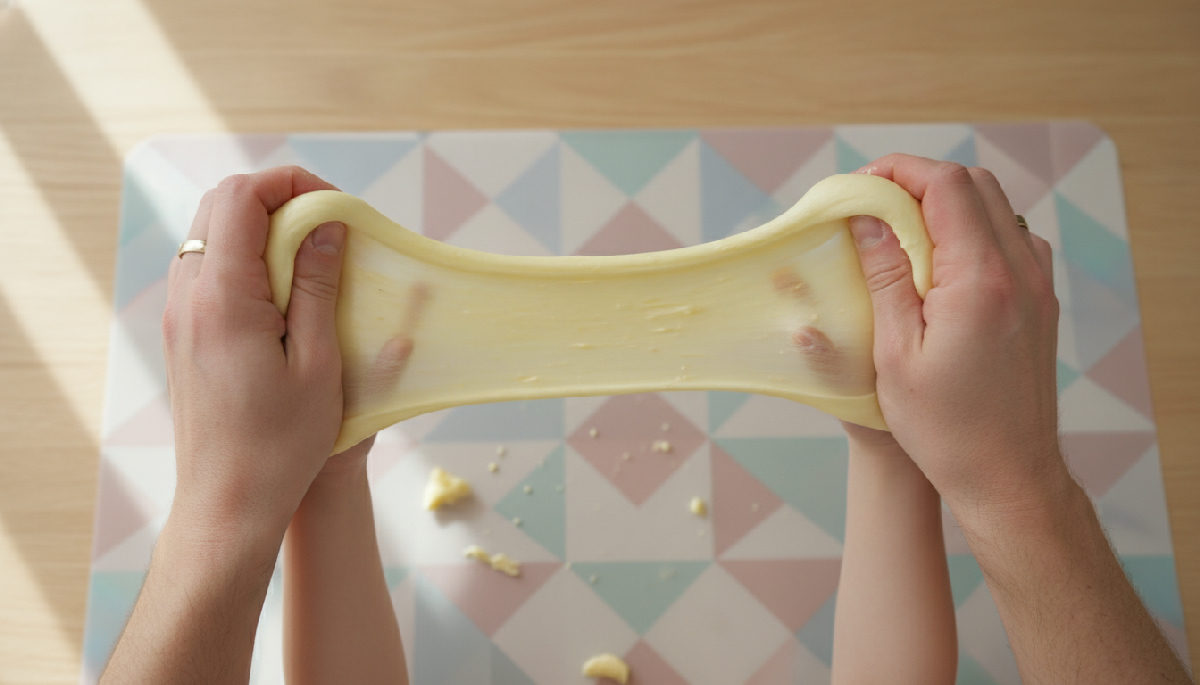
- Pick the texture your child will enjoy most. Soft, spreadable butter slime and light, fluffy cloud slime feel quite different in the hand. Our butter slime vs cloud slime guide explains the difference.
- Keep the same routine every time: clean hands, short sessions and a wash afterwards.
For more on ages, supervision and safe play, read our parents' guide to slime safety. When you're ready, you can browse handmade slime from our UK shop.
FAQ
Can you be allergic to slime?
Some people can react to slime, just as they can to soaps, cosmetics or craft materials. The NHS explains that skin reactions like contact dermatitis can come from irritants or allergens. If your child's skin reacts after play, stop using the slime and speak to a pharmacist or GP.
Can slime cause skin irritation or a rash?
It can for some people, especially those with sensitive skin. Signs include itchy, dry or cracked skin, which may look red on lighter skin or dark brown, purple or grey on darker skin. Wash the area, stop play and get advice if it doesn't settle.
Is slime OK for children with eczema?
It depends on the child, so ask the pharmacist, GP or nurse who helps manage your child's skin. If you do try slime, avoid it during flare-ups or when skin is broken, keep sessions short and wash hands afterwards.
What should I do if slime gets in my child's eyes?
Rinse gently with clean water. If you're worried, or discomfort doesn't settle, contact NHS 111 for advice. Call 999 in an emergency.
Are Amber's slimes scented?
Yes. Each slime has its own scent, such as candyfloss, bubblegum, chocolate or taro, and the scent is listed on every product page. If scented products are a concern, get in touch before ordering.

Written by Amber
Amber is the founder of Amber's Slime Studio. She has been making slime for years and still makes every batch by hand. She's passionate about creating high-quality slimes that bring joy and sensory satisfaction.
Learn more about Amber →